

BY A.D. GRIFFIN MBE
DENTAL TECHNICIAN. MAY 2026
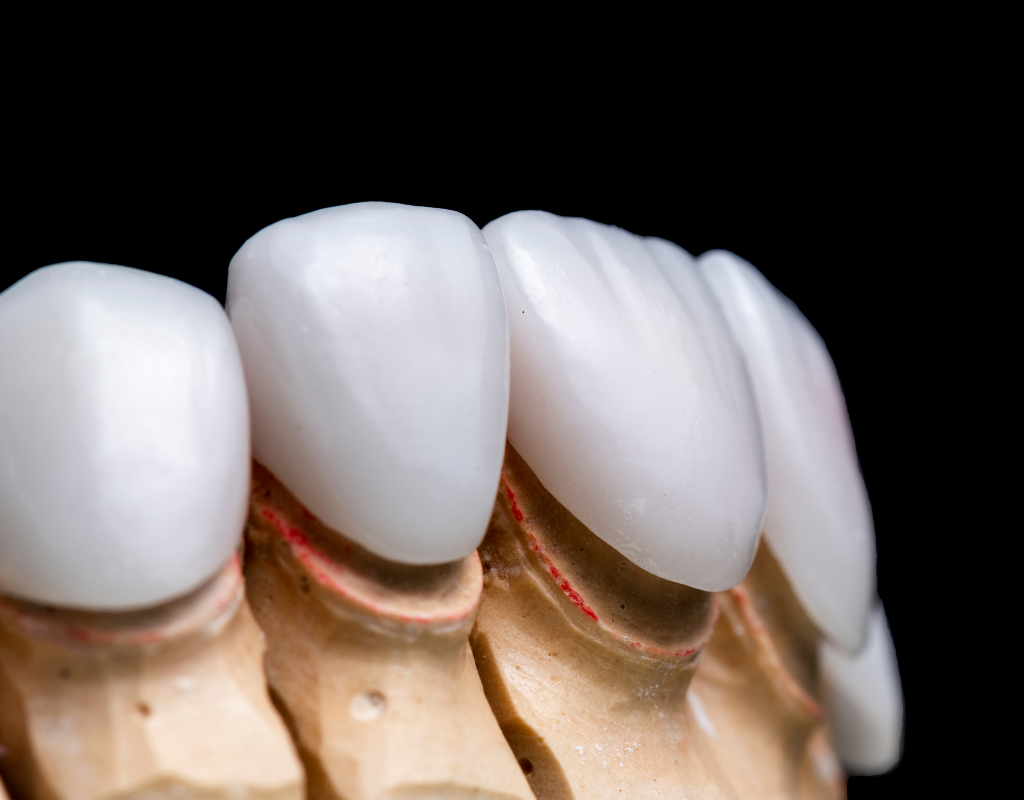
Crowns, bridges, veneers and dentures are examples of what are technically called a 'Custom Made Dental Devices' [i]. These devices can be made to a prescription in the UK by Dental Technicians to meet each patient's needs, to support their oral health requirements and to create for the patient an aesthetically pleasing appearance.
HOW IS YOUR
DENTAL DEVICE MADE?
To begin the process a clinician (e.g. Dentist) will examine the patient and make a diagnosis, make a record of the oral cavity, and then write a prescription requesting for the patient a Custom Made Dental Device.
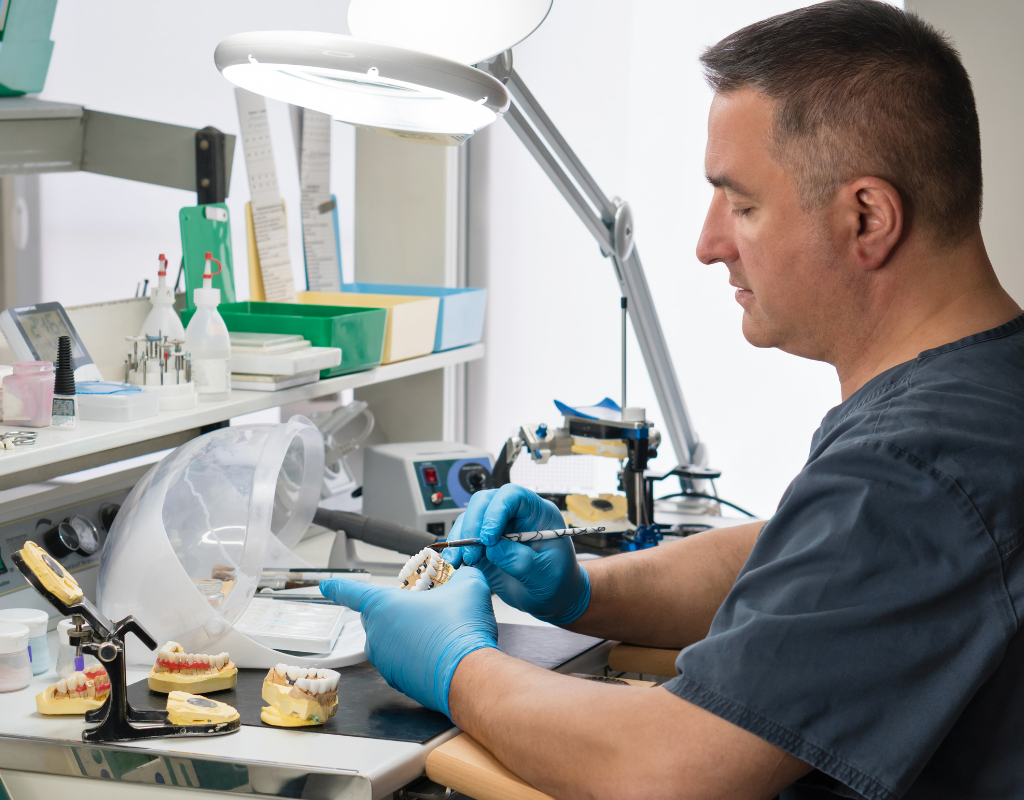
The dental technician uses the record of the oral cavity and begins the detailed manufacturing process to the clinician's prescription request for a Custom Made Dental Device. It is the dental technician's role to ensure that the items are made using the appropriate materials, clinically accepted designs, provides a good fit, a great appearance and returns the items ready for the clinician to fit.
WHAT IS A
REGULATED UK DENTAL TECHNOLOGIST
The crowns, bridges, veneers and dentures etc. made in the UK by Dental Technicians (as professionally registered with the General Dental Council [ii]), in dental laboratories who must be registered with the MHRA [iii] under the Medical Devices Regulations (MDR) [iv].
This supports quality and compliance with UK health provider standards and can be externally quality assured by agencies such as DAMAS [v] or ISO [vi] in the UK to confirm compliance with good manufacturing practices.
YOUR RIGHTS
AS A PATIENT
When a clinician in the UK prescribes a dental restoration such as crowns, bridges, veneers and dentures etc. you the patient receiving such devices, have the right to expect that the restoration will fit you well, looks as good as it can, and be made from the correct materials and correctly made in accordance with best practice. Unlike pharmacy prescriptions, all custom made dental devices are individually made to meet the specific requirements of an individual patient.
Your prescription and oral records / impressions, will generally be sent to a UK dental laboratory where the dental technicians will work behind the scenes to make your individual device and sign off the completed device as fit for you the patient. You may be offered or can ask for what is called the Certificate of Manufacture (UK) which confirms that the appliance made for you the patient, has been through the quality checks during manufacturing as required under MDR by the UK MHRA registered dental laboratory. Then the clinician is able to fit the custom made dental device into your mouth knowing that the dental laboratory work meets the standards required for such UK manufactured items.
ENSURING QUALITY, SAFETY AND COMFORT
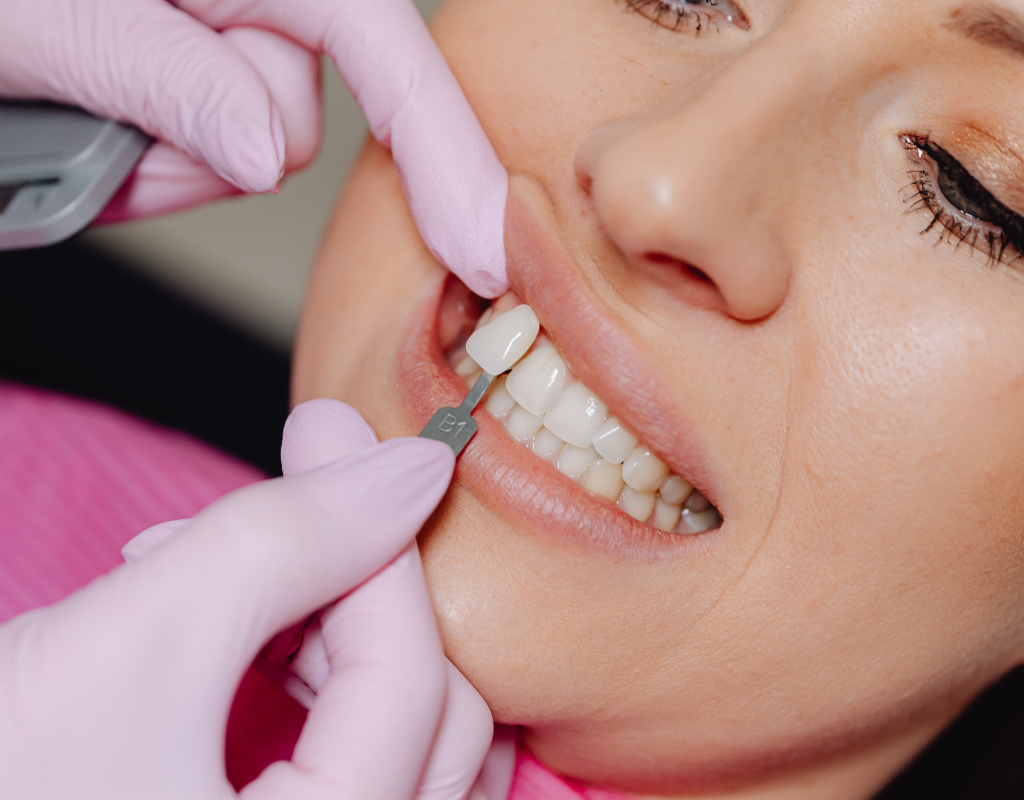
Every patient has the right to be satisfied with the form, shape, aesthetics and the biocompatibility of their custom made dental device as fitted by the clinician. Such appliances should not cause irritation or an allergic reaction, and the MHRA registered UK dental laboratories have to keep auditable records to show what specific dental materials were used in making each patients device.
Because your final satisfaction about your custom-made device will depend on the detailed work of the dental technicians from a quality assured dental laboratory; you will likely want to ask the clinician the:
- Name of the dental laboratory
- Where it is located
- How long the stages will take during manufacturing and for any adjustments.
- Also, you should request to be given the Certificate of Manufacture for your finally fitted appliance/s.
podcast
the changing world of dental technology
Listen to DTA Council Member and Lab Manager/Prosthetics Manager at SDC Lab, Jade Ritch in conversation with the Oral Health Foundation discussing the changing world of dental technology.
THE 5 QUESTIONS TO ASK
BEFORE YOUR NEXT APPOINTMENT
In the UK to be called a 'Dental Technician', the individual has to have undergone specific professional training and be currently registered with a specific registration number with the General Dental Council. All such registrants also have to commit to abiding by the professional rules, hold insurance/indemnity, and to carry out annual Continuing Professional Development (CPD) training to keep themselves up to date with their profession. This forms part of the quality assurance process for all patients custom made dental devices, focusing on preventing health issues due to faulty or unsafe dental restorations. Therefore, it's important to know who is involved in the manufacturing of your appliance, and that the materials used are appropriate and meet the UK standards. Always ask who the manufacturing dental laboratory is, be it in the UK or abroad as the items are to be made to fit in your mouth.
In the UK dental technicians are registered with the GDC, and dental laboratories can use DAMAS or ISO accreditation to prove their own compliance as for best practice for patient care.
The Dental Technologist Association (DTA) via this 'What is Made for Your Mouth' page is ensuring that patients and clinicians are aware of the efforts that UK dental technicians make to assist those wanting to make informed decisions about the provision of their custom made dental devices within the UK.
The following FIVE question may assist individuals to make informed decisions;
INFORMATION SOURCES
[i] Custom Made Dental Devices UK. LINK: Custom-made devices in Great Britain - GOV.UK
[ii] General Dental Council (UK). LINK: General Dental Council
[iii] MHRA - Medicine and Healthcare products Regulatory Agency (UK). LINK: Medicines and Healthcare products Regulatory Agency - GOV.UK
[iv] MDR - Medical Devices Regulations 2020. LINK: The Medical Devices Regulations 2002
[v] DAMAS - Dental Appliance Manufacturers Audit Scheme. LINK: DAMAS - Dental Appliance Manufacturers Audit Scheme
[vi] ISO Standards for manufacturing - LINK: ISO - Standards